

Women and Work- Conversations Shaping June 2026
News, research and data about women and work - curated by our team

Hello, and welcome to CEDA’s newsletter ‘Women & Work’!

June brings the anticipation of the monsoon, a season that transforms landscapes and reshapes daily life. Change, however, rarely arrives all at once. It gathers gradually, through shifting norms, policy decisions, workplace practices, and everyday acts of resistance. At Women and Work, we trace these undercurrents of change, examining how they influence women’s opportunities, choices, and experiences. Because the forces that shape women’s work are often most powerful long before they become visible.
Before we get started, a request: We are curating ‘Women & Work’ with the hope that it can provoke, stimulate and amplify conversations about women’s participation in paid work in India. If you like this edition, please do share it on your social media, and with your friends, family and colleagues. Thank you.
In case you would like to read any of our past editions, they are available here.

🗞️ In The News
Writing on the Supreme Court’s recent ruling that fixed a notional value of ₹30,000 per month for a homemaker’s unpaid labour in an accident compensation case, Dr Ashwini Deshpande, Academic Director of CEDA, argues that the judgment is part of a broader shift towards recognising women’s unpaid care work as economically valuable. She distinguishes this from proposals to pay wages for housework, contending that the real significance of such judgments lies in strengthening women’s entitlements and property rights. While welcoming the recognition of domestic labour, she argues that the larger goal should be a more equal sharing of care work and legal recognition of marriage as an economic partnership. Read more here.
The International Cricket Council has launched new guidelines to support female cricketers returning to professional sport after pregnancy. The framework outlines a six-stage recovery and return-to-play pathway, covering the physical, mental, and practical aspects of the transition. It also encourages cricket boards to provide support such as flexible training schedules, childcare assistance, and family-friendly travel arrangements.
NFHS-6 estimates that the share of ever-married women aged 15-49 who experienced spousal violence fell from 29.2% in 2021-22 to 22.3% in 2023-24. However, experts caution that the decline may reflect underreporting rather than a reduction in violence. Fear of stigma, economic dependence, and the normalisation of abuse continue to discourage disclosure, raising concerns that official figures may underestimate the scale of gender-based violence and create a misleading sense of progress. Read more here.
The release of NFHS-6 has also drawn attention to the data that was not published. Compared with NFHS-5, the latest fact sheets exclude 43 indicators, including measures of anaemia, clean cooking fuel use, sanitation access, infant and child mortality, and HIV awareness. Researchers and public health experts argue that these omissions make it more difficult to evaluate the progress of major welfare programmes such as Pradhan Mantri Ujjwala Yojana and Swachh Bharat, raising important questions about transparency, public accountability, and the tracking of India’s health and development outcomes. Read more here.

💡 Research Spotlight
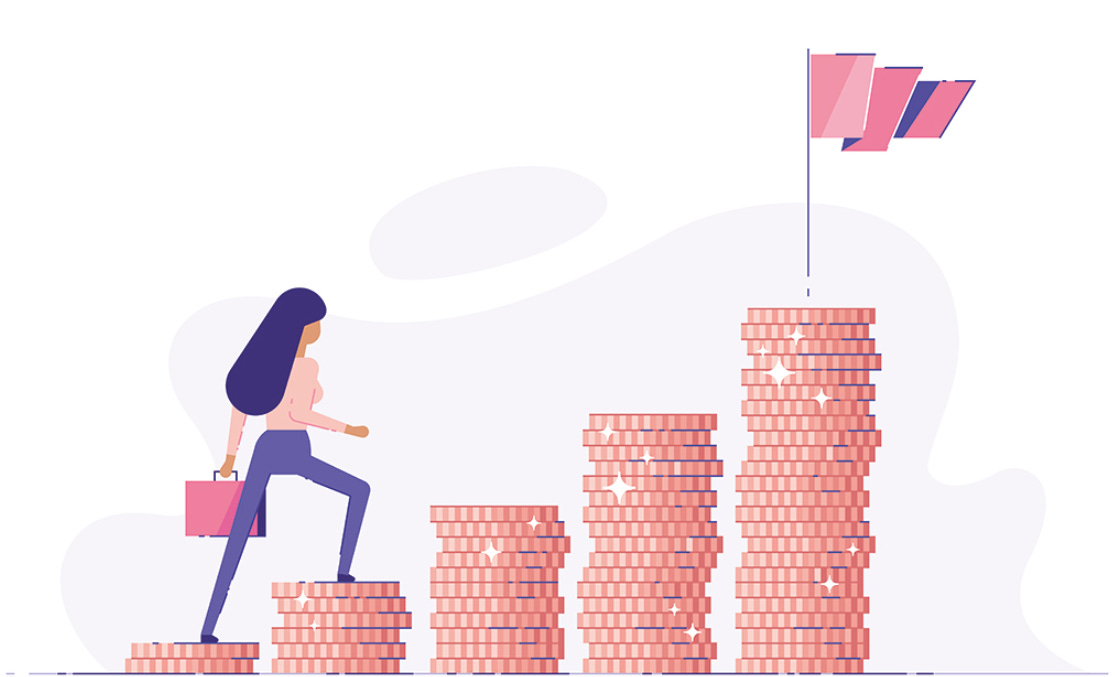
When we talk about the gender pay gap, the focus is usually on what happens after women enter the workplace: being passed over for promotions, facing discrimination, or being penalised for negotiating. But a study by economist Nina Roussille suggests that part of the gap begins even before any of that, at the moment a candidate states the salary they want. The question the study asks is simple: Do women and men ask for different salaries? And if they do, does it matter?
The data
The study uses records from Hired.com, a US recruitment platform for engineering and technology jobs. What makes this platform unique is that it captures the entire salary negotiation process in three steps. First, a candidate states their desired salary. Next, a company responds with the salary it is willing to offer, before any interview takes place. If the candidate is hired, the final agreed salary is recorded. This three-step structure allows the researcher to observe the negotiation from both sides, something that is rarely possible with employment data. The dataset includes more than 113,000 candidates, nearly 40,000 job openings, and over 460,000 salary offers across 20 cities.
The ask gap
Across the platform, women asked for salaries that were, on average, 6.6% lower than those requested by men. Differences in candidates’ profiles can explain some of the gap. On average, men on the platform have slightly more work experience, are more likely to work in higher-paying software engineering roles, and are more likely to list in-demand coding skills. Once these differences are taken into account, the gap narrows but does not disappear. Women with the same experience, education, skills, and job type as their male counterparts still asked for 2.9% less, equivalent to roughly $3,830 a year.
The gap also grows over time. Among people early in their careers, it is negligible. But it widens steadily with seniority, reaching 5.4% among candidates with fifteen to twenty years of experience. One possible explanation is that, as women become less represented at senior levels, they have fewer colleagues with whom they can compare salaries. With less information about what others earn, their perception of what constitutes a reasonable salary request may gradually shift downward.
Employers follow the ask
Here is where the study becomes particularly striking. Women initially received salary offers that were 3.3% lower than those received by men. Accounting for differences in qualifications narrowed that gap only modestly, to 2.2%. However, once researchers accounted for the salary candidates had asked for, the gap nearly disappeared, falling to 0.2%. Put differently, differences in qualifications explained only a fraction of the disparity in salary offers, while differences in salary expectations explained nearly all of it. This pattern persisted even among men and women applying for the same role at the same company. Women were not being channelled into lower-paying jobs. Rather, within identical roles, lower salary requests were associated with lower salary offers.
Perhaps most importantly, women were not systematically excluded from opportunities. After accounting for qualifications, they received slightly more interview invitations than comparable men and were just as likely to receive a job offer. The study therefore suggests that the gender pay gap was not primarily generated through differential access to jobs. Instead, it emerged earlier in the hiring process, with differences in salary expectations subsequently reflected in employers’ salary offers.
What fixed it
In 2018, Hired.com made one small change for software engineers in San Francisco. The salary field, which had previously been blank, was pre-filled with the typical salary recently offered to candidates with similar experience and job titles. Candidates could still change it. They simply now had a reference point. What changed? Women’s salary requests increased by 3.2%, while men’s remained roughly the same. As a result, the gender gap in salary requests and in the offers that followed fell to essentially zero.
Additionally, the study found no evidence that women were penalised for asking for more. Higher salary requests did not result in fewer interview invitations, longer waiting times, or lower chances of being hired. If anything, employers appeared to interpret higher salary expectations as a signal of candidate quality rather than as a reason to withdraw interest.
What this tells us
The study is careful not to overclaim. The gender pay gap has many causes, including occupational segregation, the unequal burden of caregiving, and outright discrimination. This study does not explain all of them. What it does show is that part of the gap may originate in something surprisingly concrete: women not knowing what they are worth in the labour market because that information is not readily available to them. When it was, they asked for more. Employers offered more. The gap narrowed.
This is not a story about women lacking confidence or being unwilling to negotiate. It is a story about information. Workers who do not know what others like them are being paid cannot advocate for themselves effectively, regardless of how confident or ambitious they are. In this case, the solution was not a training programme or a mindset shift. It was a number in a text box.
📊 Datapoint
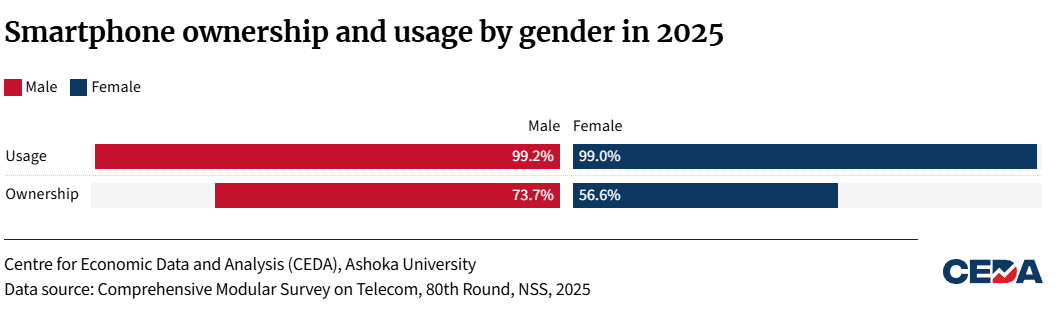
A woman checking her bank balance, applying for a job, attending an online class, or scrolling through social media may appear fully connected to the digital world. The statistics seem to support that impression. According to the 2025 Comprehensive Modular Survey on Telecom, smartphone use is nearly universal among both men and women, with 99.2% of men and 99% of women reporting smartphone use in the previous 365 days.
But one question remains unanswered by the usage figures: whose phone is being used? When ownership enters the picture, the story changes. Nearly three in four men (73.7%) own a smartphone, compared with only 56.6% of women. The gap suggests that many women’s digital lives are built on shared access, whether through a spouse’s phone, a family device, or one borrowed when needed. The smartphone is no longer merely a communication device. It is an entry point to economic opportunity. The gender gap in ownership therefore reflects more than unequal access to technology; it signals unequal access to the opportunities that technology increasingly mediates.
Owning a smartphone is only the first step. CEDA’s analysis shows how gender continues to shape who benefits from India’s digital revolution and who gets left behind. Read the full analysis here.
⏳ Throwback
Too cold to work? The gender gap in office air conditioning
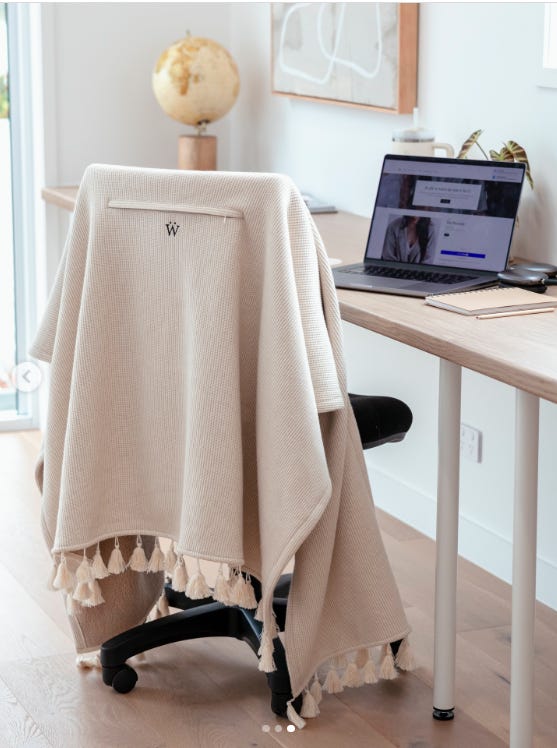
Women have spent decades adapting to workplaces that were never quite designed for them. Sometimes the evidence is obvious: unequal pay, fewer leadership positions, unsafe commutes. Sometimes it is as mundane as a cardigan draped over an office chair in the middle of summer. At the centre of this quiet workplace ritual sits a number: 21-22°C. For decades, this has been the standard temperature in offices across the world. It feels objective, scientific, and gender-neutral. In reality, it was based on a model of thermal comfort calibrated around the physiology of an average man.
The benchmark for office thermal comfort originates from models developed in the 1960s by Danish engineer Ole Fanger. The “average” worker used to calibrate comfort standards was a 40-year-old man weighing around 70 kilograms. Women, who generally have lower resting metabolic rates and produce less body heat, were largely absent from the calculations. Yet these standards became embedded in office buildings worldwide and remain influential today. The consequences are familiar to many working women: the blazer that stays on all day despite the heat outside, the hot coffee sipped to stay warm during a meeting, and the discomfort of spending hours in an office that feels more like a refrigerator than a workplace.
Research suggests this is not simply a matter of individual preference. A 2015 study published in Nature Climate Change put numbers to what had long been treated as personal preference: women’s average thermal comfort was estimated to be around 25°C, roughly 3-4°C warmer than the typical office setting. What appears to be a minor inconvenience is, in fact, part of a broader pattern. Workplaces have historically been designed around a male default, from safety equipment and uniforms to work schedules and office infrastructure. The thermostat is another example of how supposedly neutral standards often reflect the needs and experiences of men while requiring women to adapt. In India’s rapidly growing corporate offices, IT parks, and co-working spaces, these assumptions have been imported alongside centralised air-conditioning systems. As more women enter the workforce, many continue to work in environments calibrated for someone else’s comfort.
The thermostat war is not really about temperature. It is about who gets to define what feels “normal” at work. For generations, that definition has been shaped by men. The cardigan hanging on the back of a woman’s chair is a small but telling reminder that equality at work is not only about who gets a seat at the table. It is also about who the room was designed for in the first place.
📽️ Lights, Camera, Hustle: Women’s Work Lives in Movies
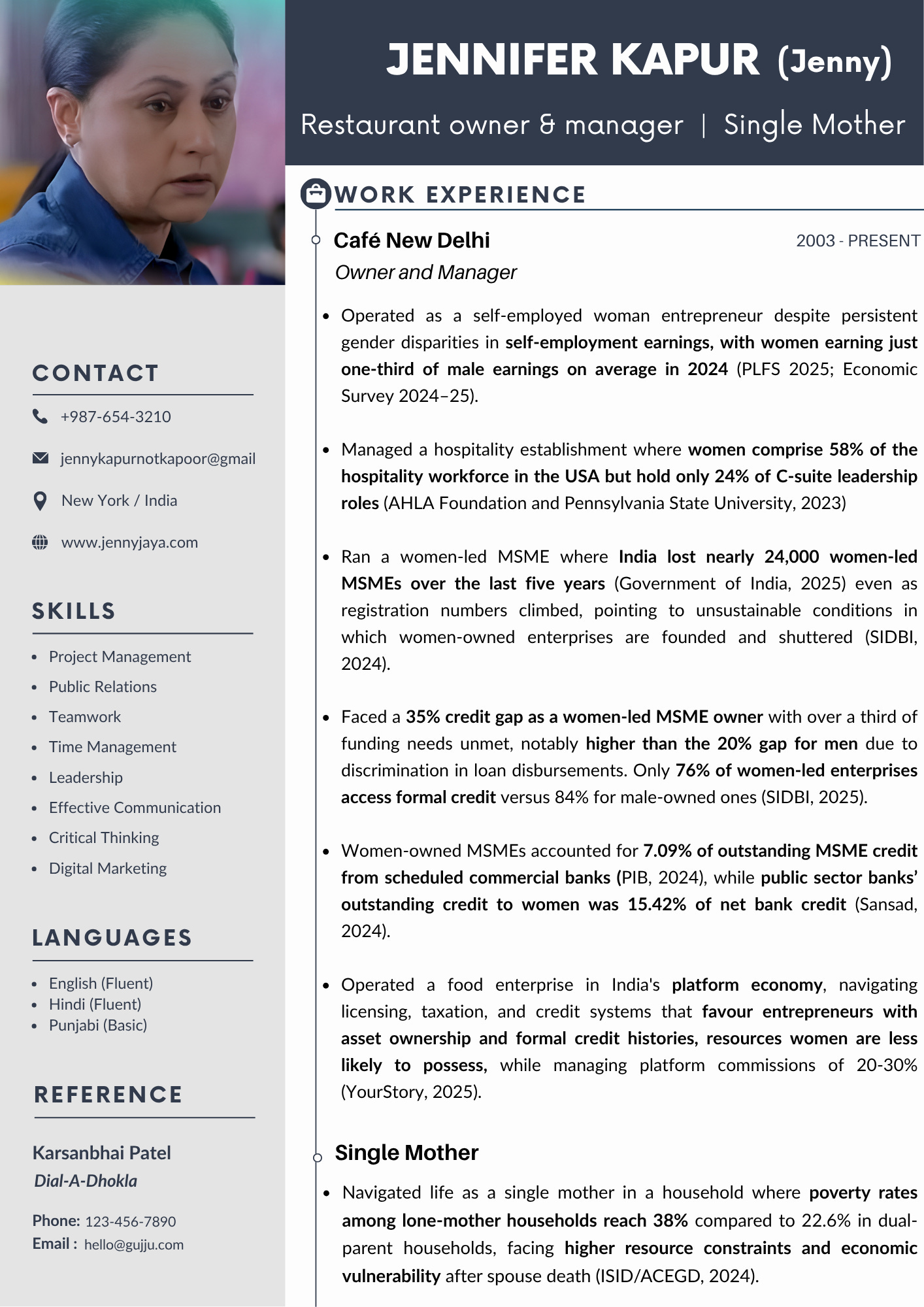
This fictional CV is a creative work inspired by the character Jennifer Kapur from Kal Ho Naa Ho (2003), with all names and references respectfully credited to the film’s original creators and rights holders.
Thank you for reading! If you have feedback, questions, tips, or just want to say hello, feel free to do so by replying to this email, or drop a word at editorial.ceda@ashoka.edu.in
For more updates and conversations, be sure to follow us on LinkedIn and X. We look forward to staying connected with you!
Curated by: Sneha Mariam Thomas for the Centre for Economic Data & Analysis (CEDA), Ashoka University. Cover illustration: Nithya Subramanian